Why Libraries Matter More in an Age of Constant Distraction
Modern schools are busy places. Classrooms are active, hallways are crowded, notifications arrive constantly, and students move between lessons, assignments, activities, conversations, and digital platforms throughout the day. Learning has become increasingly connected, collaborative, and fast-moving.
These developments bring enormous benefits, but they also create a challenge that schools are increasingly having to address. Students are constantly exposed to information, yet meaningful learning requires more than access to content. It requires time to process, reflect, and engage with ideas without interruption.
That raises an important question: where in the school day do students have the opportunity to do that?
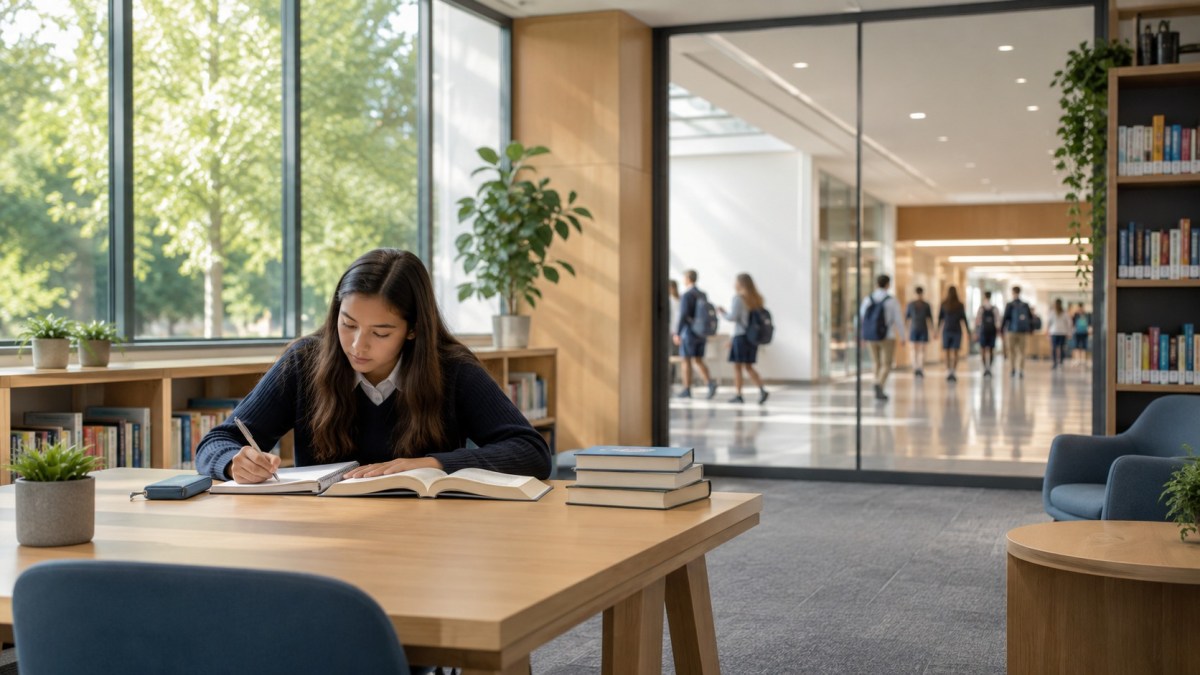
For many schools, one answer remains the library. While libraries are often discussed in terms of books, resources, and research support, their most valuable contribution may be something far less tangible. School libraries provide one of the few environments specifically designed for sustained attention and deeper learning. As schools continue investing in technology, communication, and School Management Systems, libraries remain an important part of the wider learning environment. In a world where attention is becoming increasingly fragmented, that matters.

The Modern Student Faces an Attention Challenge
Students today have access to more information than any previous generation. The challenge is no longer finding information but knowing what to do with it.
Learning requires more than exposure to facts. It requires concentration, reflection, and the ability to engage with ideas long enough for understanding to develop. Yet many of the environments students navigate every day are designed to compete for their attention rather than protect it.
Messages arrive instantly. Content updates continuously. Information is presented in short, highly digestible formats. While these tools are useful, they can make sustained focus feel increasingly unfamiliar. This challenge affects not only students but also educators and administrators working across multiple platforms and systems. As schools adopt more digital tools and Educational Technology, creating environments that support focus becomes just as important as delivering content.
This is where libraries offer something unique. They create an environment where students can slow down, engage deeply with information, and develop the cognitive habits that support meaningful learning.

Why Physical Books Still Matter
Digital resources have transformed education for the better. Students can access vast amounts of information, collaborate more easily, and engage with content in new ways. However, research continues to suggest that physical books provide a different reading experience. While digital resources play an important role in Teaching and Learning, printed materials continue to support deep reading and sustained attention in unique ways.
When students read from printed materials, they interact with information in a more tactile and structured way. Pages have a physical location. Progress becomes visible. The reading experience is often less interrupted by competing distractions.
Physical books can support:
- Sustained attention during longer reading sessions
- Stronger spatial memory and recall of information
- Reduced screen fatigue throughout the school day
- Deeper engagement with complex texts and ideas
The goal is not to choose between physical books and technology. Modern schools need both. The most effective learning environments recognise that different tools support different types of thinking.

Libraries Support More Than Reading
The image of a library as simply a room filled with books is increasingly outdated.
Today’s school libraries often serve as research hubs, study spaces, collaborative learning environments, and places where students can explore interests beyond the curriculum. They support academic growth while also encouraging curiosity, ownership, and self-directed learning.
Perhaps most importantly, libraries create space for a type of learning that is difficult to measure but incredibly valuable: self-directed discovery. Students browse, investigate topics that were not part of the lesson plan, follow questions that do not appear on assessments, and develop interests simply because something captured their attention.
The strongest libraries do not operate in isolation. They support broader goals around Student Engagement, academic development, and the connected learning experiences that modern schools increasingly prioritise.
In an educational landscape increasingly focused on outcomes, these moments of exploration still matter. Not every meaningful learning experience begins with an assignment, and not every valuable question appears on a test.
The Value of Quiet
Quiet is often misunderstood as the absence of activity.
In reality, some of the most demanding forms of learning happen in silence. Reading a challenging text, analysing an argument, writing thoughtfully, connecting ideas across subjects, and reflecting on new information may not look particularly dramatic from the outside, yet they require significant mental effort.
Quiet learning environments support skills that are becoming increasingly valuable in distraction-heavy settings:
- Sustaining attention on a single task for extended periods
- Processing complex information without constant interruptions
- Reflecting on ideas before responding or moving on
- Developing the patience required for deeper comprehension
Libraries create conditions that make this kind of thinking possible. They provide students with an environment where attention can settle long enough for deeper learning to take place.
In many ways, the library serves as a counterbalance to the speed and noise of modern life. While schools rightly invest in technology, collaboration, and communication, students still need spaces that support reflection, concentration, and independent thought. That role may be more important today than it has ever been.
The Library’s Place in the Modern School
Schools are preparing students for a future shaped by technology, artificial intelligence, and constant access to information. Digital tools will continue to play a central role in education, and rightly so.
At the same time, students still need opportunities to develop focus, curiosity, critical thinking, and deep comprehension. These skills are not separate from academic success. They are fundamental to it.
While conversations around education technology often focus on devices and digital platforms, effective learning environments depend on how well information, people, and resources work together. This is one reason many schools are investing in Integrated Education Systems that help connect teaching, communication, School Administration, and Student Support Services.
Libraries help create the conditions where those skills can grow. Far from becoming less relevant, the quietest room in school may be becoming one of the most important.

Supporting Meaningful Learning
Creating strong learning environments requires more than access to information. Schools also need effective School Management Software that supports communication, reporting, administration, and student engagement across the entire school community.
Whether students are discovering new interests in the library, engaging with complex texts, or developing the focus required for deeper learning, schools need connected systems that support those experiences behind the scenes.
Platforms like Ed-admin’s School Management System help schools create more connected learning environments by bringing communication, reporting, administration, and student information together in one place.
Book a demo with us to see how Ed-admin helps schools create connected learning environments through streamlined communication, reporting, administration, and school management tools.